
Heat-sealable trays: types, materials and how to choose
A heat-sealable tray is a rigid pack with a rim prepared so that a film can be welded onto it with heat and pressure. The most common ones are made of PP, PET, CPET, aluminium, EPS with a barrier layer and coated board. You choose one by product, shelf life, oven or microwave use and the mould of your tray sealer.
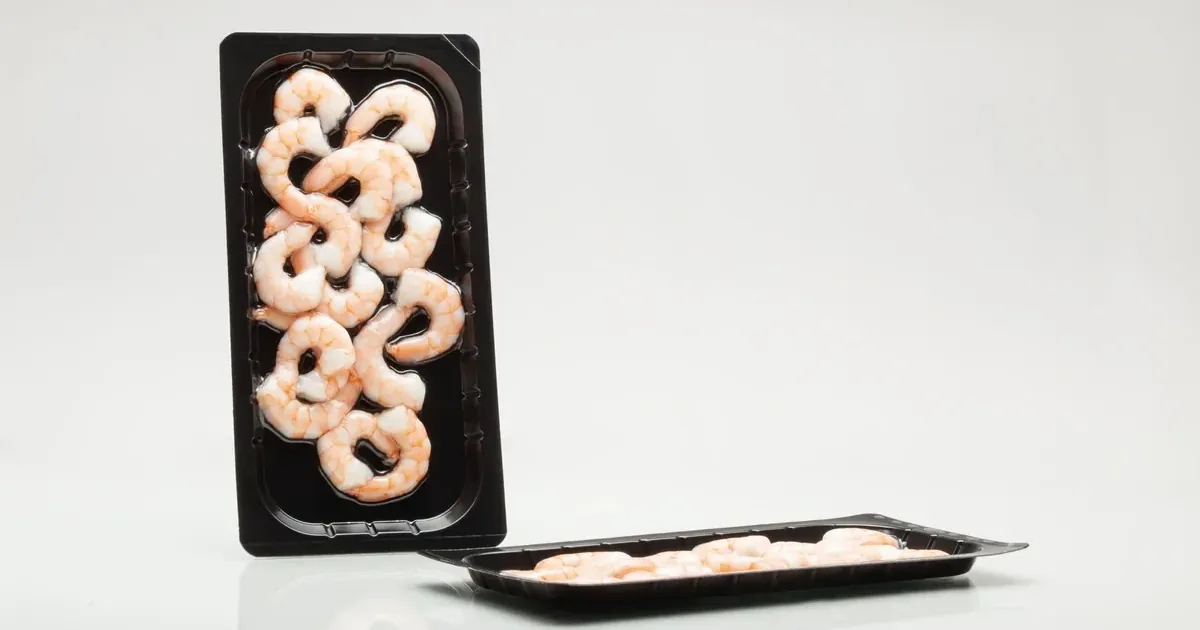
What is a heat-sealable tray?
It is a tray closed with a film welded to its rim, instead of a lid or stretch film.
The tray has a flat rim, the flange, whose top layer is compatible with the lidding film. Heat, pressure and time weld the two materials together and the pack is closed. The process is explained step by step in how tray sealing works.
Thermoformed trays: most plastic trays are made by the packaging supplier from a plastic sheet by thermoforming, and they reach the food plant already formed: these are preformed trays. Don’t confuse them with thermoformed packaging, where the machine itself forms the pack from a reel of film.
Depending on the film, a sealed tray is opened by peeling the film off (peelable film) or by cutting it.
Types of heat-sealable trays by material
The tray material decides what temperature it can take, what barrier it has and which film seals onto it.
| Material | Use temperature | Advantages | Limits | Typical uses |
|---|---|---|---|---|
| PP (polypropylene) | A commercial PP tray data sheet gives −20 °C to +120 °C. Microwave-safe. | Good water vapour barrier; microwave- and freezer-safe. | For modified atmosphere or a long shelf life it is used as a multilayer version with a barrier (EVOH). Not for conventional ovens. | Ready meals, takeaway food, fresh pasta, meat. |
| PET / APET | Chilled. | Very clear and rigid: the product is easy to see. | Not for ovens or for heating. | Chilled fresh products sold on their looks. |
| CPET (crystallised PET) | From −40 °C to +220 °C. | Goes from the freezer to a conventional oven or the microwave. | Opaque. | Ready meals reheated in the oven. |
| EPS (expanded polystyrene) | Chilled. | Light and insulating; widely used by butchers. | The standard tray is not airtight: it is closed with stretch film. For heat sealing with modified atmosphere, EPS trays with a barrier film laminated to the surface are used. | Meat, poultry, fish. |
| Aluminium | Conventional oven. | Rigid, conducts heat well. | To heat-seal it, the rim must be prepared for sealing and the film must be compatible: check with the supplier. | Ovenable ready meals. |
| Board with a plastic coating | Chilled and frozen; there are ovenable and microwavable versions. | One manufacturer states 80% to 90% less plastic in the tray than a plastic tray for modified atmosphere; the coating separates from the board for recycling. | The manufacturer warns that the sealing mould may need adapting. | Meat, fish, cheese, ready meals, in modified atmosphere or skin. |
Indicative data from manufacturers’ data sheets. The valid temperature and use are always those in the technical data sheet of the tray you buy.
PP trays
Polypropylene is the most versatile material: a commercial PP tray data sheet gives −20 °C to +120 °C, and the tray goes in the microwave and the freezer. For modified atmosphere or a long shelf life it is used as a multilayer version, with an EVOH barrier layer. It is not for conventional ovens.
PET and CPET trays
A PET or APET tray is very clear and rigid: it is used for chilled fresh products sold on their looks, but it doesn’t go in the oven and can’t be used for heating. A CPET tray, made of crystallised PET, is opaque and withstands −40 °C to +220 °C, so it goes from the freezer to the oven or the microwave: it is the tray for ready meals reheated in the oven.
EPS trays
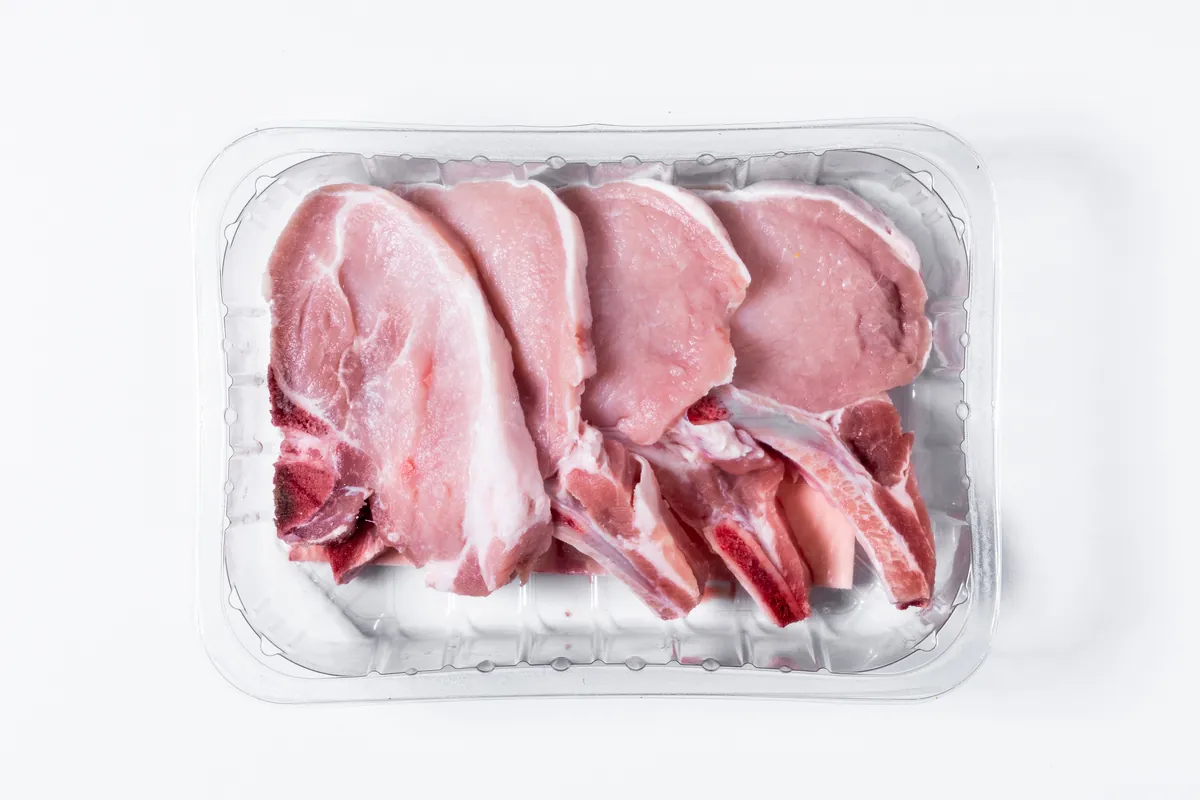
The standard expanded polystyrene (EPS) tray, the white butcher’s tray, cannot be heat-sealed: it is not airtight and is closed with stretch film. For heat sealing with modified atmosphere there are EPS trays with a barrier film laminated to the surface, and these do seal with film.
Aluminium and board
An aluminium tray is rigid, conducts heat well and goes in a conventional oven. To heat-seal it, the rim must be prepared for sealing and the film must be compatible, so check with the supplier.
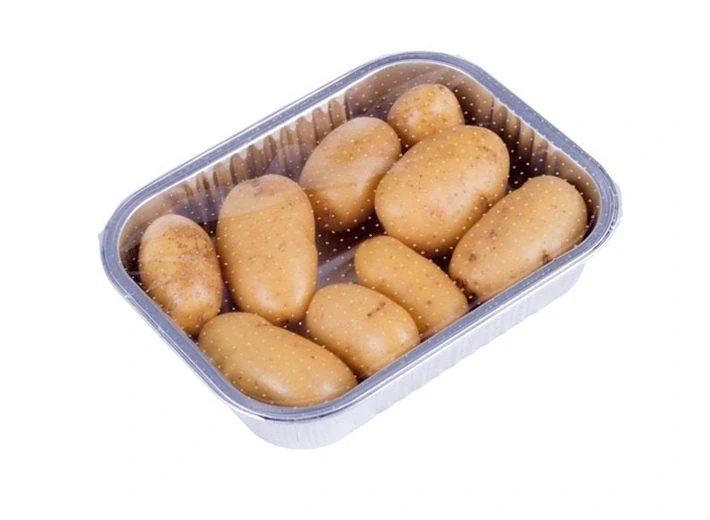
A board tray with a plastic coating works for chilled and frozen products, and there are ovenable and microwavable versions. One manufacturer states 80% to 90% less plastic than in a plastic tray for modified atmosphere, although it warns that the sealing mould may need adapting.
Trays for vacuum, modified atmosphere and skin packing
For vacuum, modified atmosphere or skin, tray and film need a gas barrier and the tray must withstand the process without deforming.
- Seal only: a single-layer PP or PET tray is enough for fast-moving products or takeaway food.
- Modified atmosphere: the air is replaced by a gas mixture before sealing. Tray and film need a barrier, and the flange must reach the seal clean for the pack to be airtight. Our rotary and in-line tray sealers (for example, the NEX-370R and the NEX-350AZ) state a gas replacement rate of at least 99.5%.
- Vacuum and skin: in skin packing, a top film fits the product like a second skin thanks to the vacuum; the tray must withstand the vacuum and seal with that film.
How to choose the tray for your tray sealer
Choose the tray by the product and its shelf life, by how it will be eaten and by what your tray sealer’s mould accepts.
- Product and shelf life: they define the process (seal only, gas flush, MAP or skin) and, with it, the barrier you need.
- Use: if it goes in the oven, CPET, aluminium or ovenable board; if it goes in the microwave, PP or CPET.
- Size and height: check that the tray fits the sealing area or the mould. Examples from our range:
| Tray sealer | Tray it accepts |
|---|---|
| NEX-175 (manual) | 175 × 123 mm sealing area |
| NEX-225 (manual) | 205 × 135 mm sealing area |
| NEX-370R (rotary) | Up to 310 × 200 mm (2 trays per cycle) or 200 × 140 mm (4 per cycle); maximum height 80 mm |
| NEX-350AZ (in-line) | From 180 × 100 mm (6 trays per cycle) to 280 × 170 mm (4 per cycle); maximum height 80 mm |
| NEX-650A (automatic) | 3 trays of 175 × 280 mm or 4 of 125 × 280 mm per cycle; maximum height 120 mm; minimum sealing rim 6 mm |
- Compatible film: the film has to seal onto the flange material; ask the supplier for a validated tray-film combination (peelable, anti-fog or high-barrier, depending on the product).
- Regulations: plastic trays for food must comply with Regulation (EU) No 10/2011; ask the supplier for the declaration of compliance.
- Supply: standard formats are usually in stock; a custom format means its own mould for the tray and for the machine.
Tray, film and mould are chosen together
Each tray format needs its own mould in the tray sealer, so it pays to settle the tray before the machine.
Changing tray means changing mould. On our tabletop tray sealers NEX-271, NEX-272 and NEX-273 a format change takes 5–10 minutes.
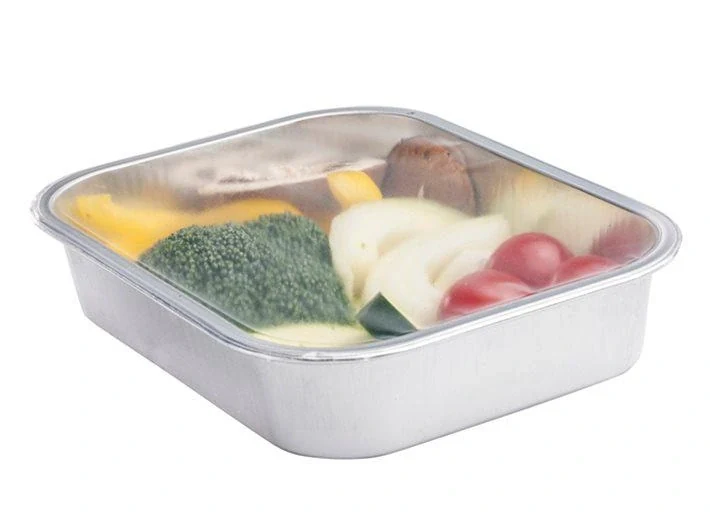
Already have a tray? Send us the model and we’ll check whether it fits the machine.
See tray sealing machines and manual and tabletop tray sealers.
Nexalpack, the thermoforming and tray sealing machine brand of YM Packaging Group, makes tray sealers for preformed trays, from manual tabletop units to automatic in-line machines.
Frequently asked questions about heat-sealable trays
Which trays can be heat-sealed?
Those with a rim prepared for the film to be welded on: PP, PET, CPET, aluminium, EPS with a barrier layer and plastic-coated board trays. The film has to be compatible with the rim material.
Can EPS trays be heat-sealed?
Not the standard EPS tray: it is closed with stretch film and is not airtight. For heat sealing with modified atmosphere, EPS trays with a barrier film laminated to the surface are used, and these do seal with film.
Which heat-sealable tray works in the oven and the microwave?
CPET, which withstands −40 °C to +220 °C and goes from the freezer to the oven or the microwave. PP works in the microwave and the freezer, but not in a conventional oven. Aluminium goes in the oven; for the microwave, follow the manufacturer’s data sheet.
Which trays are suitable for vacuum or skin packing?
Trays with a gas barrier that withstand the vacuum without deforming and seal with the vacuum or skin film. Modified atmosphere also needs a tray and film with a barrier.
Can I use my current trays in a Nexalpack tray sealer?
Yes, if they fit the sealing area or the mould of the model. On tabletop tray sealers the mould is made to fit your tray. Send us your tray model and we’ll check.
Read on
Tray sealing: what it is and how it works
The tray sealing process step by step, machine types and how to choose tray and film.
How much does a tray sealer cost?
Market prices and what drives the price of an industrial tray sealer.
Food packaging in trays
Vacuum, MAP and skin by product and by pack format.